Water Purifiers for Survival
As you consider your options for ensuring access to clean drinking water in survival situations, you face a critical decision: whether to invest in a commercial water purifier or to create your own DIY solution. With contaminated water posing a significant threat to your health, understanding the effectiveness, cost, ease of use, portability, durability, and environmental impact of both commercial and homemade water purifiers is necessary for making an informed choice that meets your specific needs and budget, especially when every detail counts in a survival scenario.
Key Takeaways:
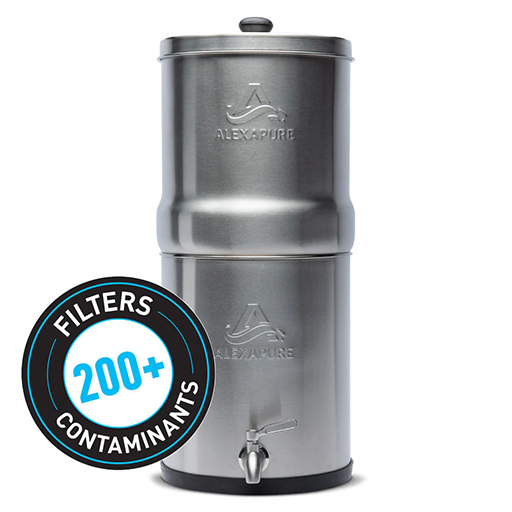
When deciding between a homemade and commercial water purifier (check out options like this water purifier), consider the following points:
- Effectiveness: Commercial purifiers like LifeStraw and Sawyer Mini are highly effective in removing contaminants, with certifications from organizations like NSF or EPA, whereas DIY methods like sand filtration and boiling have varied effectiveness rates and may not address chemical pollutants.
- Cost: While commercial filters have a higher upfront cost, they can be more cost-effective in the long run due to replaceable parts and durability, whereas DIY solutions are often low-cost but may require ongoing expenses for materials or chemicals.
- Ease of Use: Commercial products are generally user-friendly and require minimal setup or maintenance, whereas DIY methods can have a learning curve and require more time and effort to set up and maintain.
- Portability and Durability: Commercial products like straw filters are designed for portability, while larger systems are less portable; DIY methods can be more portable, but may lack durability and require frequent replacement or cleaning.
- Versatility and Environmental Impact: DIY methods offer flexibility and can be made from natural or recycled materials, reducing environmental impact, but may lack consistency; commercial products can be adapted for different scenarios, but have a larger environmental footprint due to manufacturing and disposal.
Effectiveness Comparison
Water Purifiers for Survival
While evaluating the effectiveness of water purification methods, consider the following comparison:
| Method | Effectiveness |
|---|---|
| Commercial Purifiers | High, with 99.99% removal of contaminants |
| DIY Methods | Varies, with lower removal rates for some contaminants |
Commercial Purifiers
Against the backdrop of survival scenarios, commercial purifiers like LifeStraw or Berkey systems offer tested and certified solutions, removing a wide range of contaminants, including bacteria, viruses, and heavy metals.
DIY Methods
At the heart of homemade water purification lies the use of methods like sand filtration, charcoal filters, and boiling, which can be effective against certain pathogens, but may not address chemical pollutants as effectively as commercial products, such as a water purifier.
Purifiers, whether commercial or DIY, play a vital role in your survival strategy. When opting for DIY methods, you must consider the limits of these methods, especially in removing all contaminants. For instance, while boiling can kill 99.9% of pathogens, it may not remove heavy metals or chemicals, highlighting the importance of understanding the risks associated with your water source and choosing the most effective purification method for your needs.
Cost Analysis
One of the primary considerations when deciding between a homemade and commercial water purifier, such as this water purifier, is the cost. You can learn more about water filtration methods at How to Filter Water at Home: Tips, Safety, and Instructions. When evaluating costs, consider both the initial investment and long-term expenses.
Commercial Filters
Below the surface of commercial filters’ higher upfront costs, you’ll find that many, like LifeStraw or Berkey systems, offer longer lifespans and replaceable parts, making them a potentially cost-effective choice in the long run.
DIY Solutions
Above all, DIY solutions are often inexpensive or use readily available household items, making them an attractive option for those on a tight budget. However, the cost of materials for more complex systems or chemicals like bleach or iodine over time should also be factored into your decision.
Cost is a significant factor when considering DIY solutions. While the initial investment can be very low, the effectiveness and safety of the water purifier are paramount. You must weigh the potential risks of not removing harmful pathogens or chemicals against the cost savings. For example, using sand filtration or boiling can be effective but may not remove all contaminants, posing a health risk. On the other hand, commercial filters like LifeStraw have been rigorously tested to remove a wide range of contaminants, including bacteria, viruses, and heavy metals, making them a reliable choice for your water purification needs.
Ease of Use and Maintenance
Not all water purification methods are created equal when it comes to ease of use and maintenance. You can find more information on Emergency water purification recommendation to help you decide. If you’re considering purchasing a water purifier, you should think about the maintenance requirements.
Commercial Products
Above all, commercial products are designed to be user-friendly, often requiring minimal setup and minimal maintenance, making them a convenient option for you.
DIY Filters
On the other hand, DIY filters can be more challenging to set up and maintain, but they offer a cost-effective solution, allowing you to use materials you may already have at home.
Hence, when considering DIY filters, you should think about the long-term benefits and the potential risks associated with improper maintenance, such as contamination. You should also consider the effectiveness of the filter in removing bacteria, viruses, and other harmful contaminants from your water supply. By choosing the right materials and following proper maintenance procedures, you can create a reliable and safe DIY water filtration system.
Portability and Durability
Water Purifiers for Survival
To ensure your water purifier is suitable for survival situations, consider its portability and durability. You want a system that is easy to carry and can withstand various environments. When choosing between homemade and commercial water purifiers, such as a water purifier, you should evaluate their ability to withstand rough handling and harsh conditions.
Commercial Systems
Before making a decision, consider that commercial systems are often designed with durability in mind, offering long-lasting solutions with replaceable parts. This can be a significant advantage in survival situations where maintenance and repair may be challenging.
DIY Methods
Across different DIY methods, you’ll find varying degrees of portability and durability. For example, a plastic bottle used for solar disinfection (SODIS) is highly portable, but its durability may be compromised if exposed to extreme temperatures or physical stress.
Consequently, when opting for DIY methods, you must consider the limitations and potential risk of contamination associated with using makeshift materials. While DIY methods can be cost-effective and easy to improvise, they may not offer the same level of reliability as commercial systems, which can be a critical factor in survival situations where access to safe drinking water is vital.
Versatility and Environmental Impact
After considering the effectiveness and cost of water purifiers, you should also think about the versatility and environmental impact of your chosen method. You can find discussions on this topic on Hi Chem bros, what’s your opinion on commercial water purification systems. In terms of survival, portability and adaptability are key.
Commercial Systems
Above all, commercial systems like the water purifier are designed with durability and low maintenance in mind, making them a reliable choice for long-term use.
DIY Approaches
By contrast, DIY methods can be highly versatile, allowing you to improvise with available materials, but this may come at the cost of consistency in water quality.
Even when using DIY approaches, you should consider the environmental impact of the materials and chemicals used, such as the potential for chemical contamination or waste generation. However, DIY methods can also be sustainable, using natural or recycled materials, which is a significant advantage.
Pros and Cons Summary
Unlike other survival tools, choosing between a homemade and commercial water purifier depends on several factors. You should consider the following pros and cons:
| Pros | Cons |
|---|---|
| _effective against bacteria and viruses | high upfront cost |
| long-lasting and durable | less portable for some systems |
| easy to use and low maintenance | environmental impact of manufacturing |
You will find that commercial purifiers offer high effectiveness rates and certifications like NSF or EPA, but may have a higher cost. Homemade methods, on the other hand, are low-cost and versatile, but may require more effort and have variable effectiveness.
Conclusion
Water Purifiers for Survival
So, when deciding between DIY and commercial water purifiers, you should consider your specific needs and survival scenario. You can opt for a commercial water purifier https://amzn.to/3C75i92 for primary use and supplement with DIY methods for backup or additional processing, allowing you to balance effectiveness, cost, and ease of use based on your situation.
FAQs
Emergency Survival Kit First Aid Kit Tactical Backpack Bug Out Bag Survival Kit – SurvivalOP