
The Complete Preppers List
Build a practical emergency kit with a printable checklist, a household water calculator, and supplies organized by purpose. Start with what you already own, cover the basics, and expand at a pace your budget and storage allow.
Official product photos from My Patriot Supply and SurviveX. Select a category to compare the featured gear.
Affiliate disclosure: SurvivalOP may earn a commission when you buy through qualifying links on this page, at no additional cost to you.
About this list: A household planning guide with representative affiliate products—not a hands-on product ranking. Product pages and emergency-water guidance checked October 10, 2026. Local hazards, accessibility needs, pets, and medical equipment may require additional planning.
How Much Water Should You Store?
Plan at least one gallon per person per day. Start with three days and work toward two weeks when possible. Add water for pets, heat, illness, pregnancy, and other household needs.
Your Household Preparedness Checklist
Mark an item when the supply, skill, or plan is covered for your household. Optional equipment is not a required purchase. This count tracks the list; it does not certify emergency readiness.
No unchecked items in this view. Choose another category or show all items.


First Aid & Medical


Tools & Security
Documents, Cash & Plan
Sanitation & Personal Needs
Essential Prepper Tips
Use these habits to keep supplies accessible, usable, and matched to your household.
Start With Stored Water
Store at least one gallon per person per day for three days, then work toward two weeks where practical. Keep water in suitable food-grade containers and plan any treatment backup for the actual source.
Build a Pantry You Will Use
Begin with several days of shelf-stable food your household eats. Include no-cook options and a manual can opener. Expand gradually; compare calories, allergens, preparation water, storage conditions, and dates.
Plan Where You Will Go
Choose meeting places, an out-of-area contact, and alternate evacuation routes. Follow local instructions and prepare transportation for people, pets, and essential supplies.
Choose Safe Cooking Options
Keep no-cook food available. Use outdoor stoves outside. Any appliance sold for indoor use still requires the manufacturer’s approved fuel, ventilation, clearances, and operating instructions.
Match Supplies With Skills
Organize first-aid supplies and medication information, and arrange training. A larger kit does not replace knowing how to use it or having a plan to obtain professional care.
Use More Than One Information Source
Keep a battery or hand-crank weather radio, spare power, paper contacts, and local alert subscriptions. Reception and available broadcasts depend on your location.
Measure Essential Power Needs
List device watts and daily use before choosing backup power. Test charging and runtime; solar recharge depends on weather and placement. Arrange a device-specific plan for medically necessary equipment.
Practice Before You Need the Plan
Test your equipment and evacuation routine. Check that supplies are reachable, containers can be carried, and everyone knows how to communicate if normal service is unavailable.
Keep Supplies Current
Rotate food and batteries, replace used or expired medical items, and date stored water. Review your list after a move, a household change, or a change in local risks.
The Complete Preppers List: Gear by Category
Representative products from My Patriot Supply, Alexapure, and SurviveX. Compare exact contents, requirements, current availability, and total cost; you do not need every item below.
💧 Emergency Food & Water
 My Patriot Supply
3-Month Emergency Food Supply
The merchant lists this kit for one person over 90 days at an average of 2,000+ calories daily. Compare allergens, menus, preparation water, and storage conditions; it is not a three-month supply for an entire family.
- Expanding an existing pantry
- Stored supplies at home
- Checking calories per person
- Planning cooking water and fuel
 Alexapure
 Pro Water Filtration
A gravity-fed countertop system. Review the exact filter’s performance documentation, maintenance, and source-water limits. Follow local water advisories even when using a home filter.
- Gravity filtration without mains power
- Maintaining replacement filters
- Reviewing specific reduction claims
- Supporting a stored-water plan
☀️ Power & Energy
 My Patriot Supply
Grid Doctor 3300 Solar Generator
A rechargeable power-station system marketed with EMP Intercept technology. Match capacity and output to your devices, and test runtime. Solar charging and protective claims do not guarantee continuous power or protection in every event.
- Measured backup-power loads
- Charging lights and communications
- Planning recharge options
- Checking exact bundle contents
 My Patriot Supply
Ready Hour Emergency Radio & Flashlight
The merchant lists AM/FM/NOAA radio reception, a flashlight, and hand-crank/solar charging. Test reception and charging in your location; check whether the exact model supports the alert behavior you need.
- Local weather broadcasts
- Backup lighting
- Receiving information during outages
- Keeping an independent power source
Jackery Portable Power Stations
Jackery adds another choice alongside Grid Doctor. Compare these three battery sizes with the devices you actually need to power, then build a charging plan that works for your household.
 Jackery
 Explorer 1000 v2
1,070 Wh battery · 1,500 W AC output
A compact option for phones, LED lights, a router and other modest loads. Check each device’s wattage before connecting an appliance.
- List your essential devices
- Check running watts and startup demand
- Plan how you will recharge
 Jackery
 Explorer 2000 v2
2,042 Wh battery · 2,200 W AC output
A larger battery for household essentials and a compatible refrigerator. Measure daily energy use to decide whether this size meets your plan.
- Measure refrigerator energy use
- Include the load from other devices
- Test the setup before an outage
 Jackery
 HomePower 3000
3,072 Wh battery · 3,600 W AC output
More stored energy and AC output for several compatible household devices. Prioritize essential loads when planning for a longer blackout.
- Add up simultaneous loads
- Check each appliance’s startup surge
- Choose compatible charging equipment
Choose by energy and output. Watt-hours (Wh) describe stored energy; watts (W) describe the load a station can supply at once. Check combined running watts and startup surge. Actual runtime depends on appliance cycling, conversion losses and battery settings; solar recharge depends on sunlight and panel compatibility.
Medical equipment needs its own backup plan. Jackery does not recommend its portable power stations for medical devices or life-support equipment. Follow its medical and critical-equipment guidance and arrange suitable backup with your care team and equipment supplier.
Official Jackery product photos and manufacturer specifications checked October 10, 2026. Links are affiliate links; SurvivalOP may earn a commission. Check the selected package for included solar panels and accessories. Build your home blackout plan or use the solar-generator sizing guide.
🏥 Medical & First Aid
 SurviveX
 Large First Aid Kit
SurviveX lists 250 components, a 3–4-person planning range, and a 2.8 lb packed weight. Review the inventory, your training, and personal additions before choosing it.
- Stored household supplies
- Vehicle storage
- Family trips
- Organized first-aid access
 SurviveX Pro
SurviveX Large Pro First Aid Kit
The manufacturer lists 270 components, a 5–6-person range, a quad-fold layout, and a 4.85 lb weight. Compare actual supplies and carry weight rather than assuming a larger bag meets every need.
- Larger group planning
- Stored emergency equipment
- Comparing inventory gaps
- Quad-fold supply organization
 SurviveX Waterproof
SurviveX Large Waterproof First Aid Kit
The manufacturer lists 250 components, a 3–4-person range, 4.3 lb weight, and an IPX7 bag rating. Follow closure instructions and rating limits for wet-weather activities.
- Boating or kayaking gear
- Rainy outdoor trips
- Protecting stored medical supplies
- Checking bag-rating limits
 SurviveX Compact
SurviveX Small First Aid Kit
The compact model is listed at 126 components, 1.2 lb, and a 1–2-person planning range. Measure your storage space and compare personal needs with the actual inventory.
- Vehicle or travel storage
- Comparing packed size
- Keeping a light carry kit
- Reviewing personal additions
Compare all four SurviveX kits by capacity, contents, and weight → · Plan your first-aid inventory
🎒 Carry & Electronics Storage
 My Patriot Supply
Ready Hour Faraday Backpack
A 30-liter bag marketed for electromagnetic shielding and moisture protection. Follow closure and care instructions and review any test documentation; shielding claims do not guarantee protection from every event.
- Optional electronics storage
- Comparing shielding documentation
- Keeping stored devices organized
- Planning a carry load
 My Patriot Supply
Ready Hour Black Tactical Backpack
A general-purpose carry bag with adjustable straps and organized compartments. Check packed fit and carrying comfort. This listing is for a backpack; it does not include a ballistic-protection promise.
- Evacuation supply organization
- Vehicle carry equipment
- Checking fit and weight
- Keeping essential items accessible
🔥 Cooking & Heat
 My Patriot Supply
VESTA Heater & Stove
The merchant describes indoor operation only with ventilation and the specified canned fuel. Do not use it in unventilated rooms, vehicles, or tents. Follow the current manual, clearances, and fuel instructions.
- Reviewing approved fuel
- Planning required ventilation
- Checking heater and stove instructions
- Maintaining working CO alarms
 My Patriot Supply
EMBER Off-Grid Biomass Oven
An outdoor cooking and baking option. Compare its fuel requirements, carrying weight, setup, and instructions with simpler no-cook or outdoor-stove plans.
- Outdoor cooking
- Baking at a suitable campsite
- Comparing fuel requirements
- Keeping combustion outside
🌱 Seeds & Self-Sufficiency
 My Patriot Supply
Patriot Seeds Survival Seed Vault
A collection of 20 heirloom seed varieties. Gardening requires suitable seasons, water, soil, space, and practice; a seed kit is a longer-term project rather than a replacement for ready-to-eat supplies.
- Practicing food growing
- Seasonal garden planning
- Learning seed-saving skills
- Supplementing a stored pantry
 My Patriot Supply
Ready Hour 5-in-1 Bushcrafter Hatchet
A camp tool to compare for appropriate wood-processing tasks. Check its dimensions, carrying setup, and instructions, and practice safe use before including it in your equipment.
- Outdoor camp tasks
- Preparing suitable kindling
- Comparing tool portability
- Keeping a safe work area
Camping, Transport & Installed Power
These optional additions depend on your camping plans, vehicle setup and home-energy needs. Cover your essential supplies first.

Family car camping
AYAMAYA Adobe XL Pop-Up Tent
A family camping shelter for trips where your vehicle carries the packed tent. Check sleeping space, packed size and campsite conditions. During severe weather, follow local shelter instructions.
Explore AYAMAYA camping gearRead the related planning guide →
Vehicle-based outdoor trips
OUTFITR Bike & E-Bike Racks
Plan how to carry bikes on your vehicle before an outdoor trip. This official photo shows a two-bike hitch rack with a ramp. Check vehicle hitch limits, bike fit, loaded weight and current availability.
Explore OUTFITR transport gearRead the related planning guide →
Installed solar & battery systems
SungoldPower Solar Inverters
Compare inverters, batteries, panels and system kits for an installed power plan. The pictured 8 kW / 48 V inverter is a system component; it does not store energy. Battery-backed operation requires compatible storage and a system designed for your loads.
Explore SungoldPower systemsRead the related planning guide →Official brand product photos. These are affiliate links; SurvivalOP may earn a commission at no extra cost to you. Check package contents, specifications and availability at the store. Have a qualified installer confirm component compatibility, circuit requirements and local installation rules.
Camping & Outdoor Retailers
Shop by the gap in your kit: shelter and sleep gear, vehicle-based campsite equipment, or a pack that fits your load.
Tents & campsite essentials
Bass Pro Shops
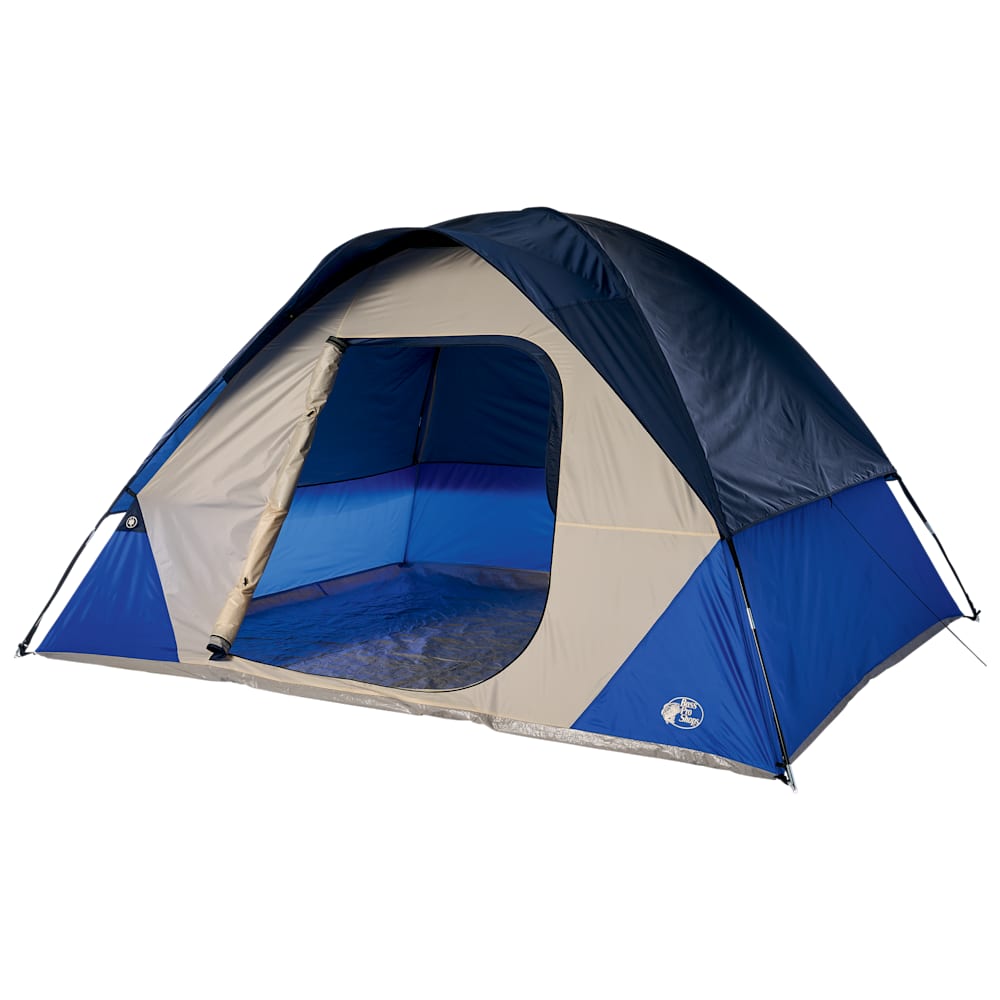
Compare tents, sleeping bags and other campsite supplies. Pictured: the Bass Pro Shops 6-Person Dome Tent. Check sleeping space, packed size and seasonal conditions before choosing.
Browse Bass Pro ShopsPlan shelter and sleeping gear →
RV & campsite equipment
Camping World
Browse RV and camping equipment for a vehicle-based setup. The pictured Camping World logo chair is an example of campsite seating. Cover water, food, lighting and personal needs before adding comfort items.
Browse Camping WorldCheck your essential supplies →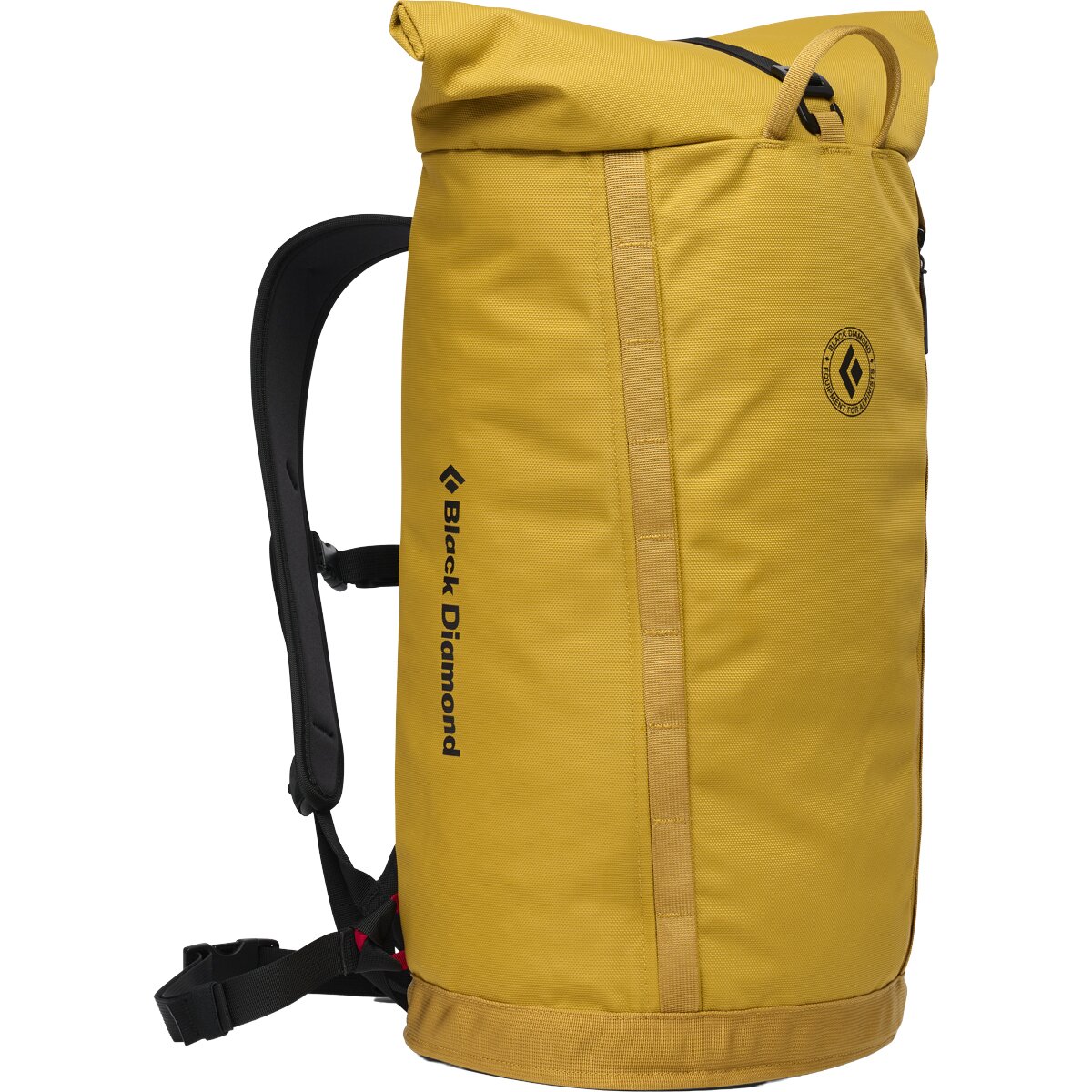
Packs & outdoor gear
Backcountry
Compare packs, outdoor clothing and camping gear. Pictured: the Black Diamond Street Creek 30L RT Backpack in Amber. Test a pack with your actual contents and choose capacity around what you can comfortably carry.
Browse BackcountryBuild a kit you can carry →Photos show representative products from each retailer. Shopping buttons open the retailer’s catalog; check current availability and specifications there. SurvivalOP may earn a commission through these affiliate links at no extra cost to you.
Your Prepper Action Plan
Cover immediate needs first, then expand for your local risks. The timing and size of your reserves should fit your household, budget, and available space.
Build in Practical Stages
Start now: cover several days.
- Store safe water and usable shelf-stable food
- Organize first-aid supplies, medications, lighting, and phone charging
- Write contacts, meeting places, and evacuation instructions
- Check alarms and include personal, accessibility, and pet needs
Next: expand and test.
- Work toward two weeks of water and food where feasible
- Test radios, power options, and safe cooking arrangements
- Pack accessible evacuation and vehicle supplies
- Practice your household plan and identify remaining gaps
Longer term: build useful reserves and skills.
- Expand the pantry only as far as you can maintain and rotate it
- Consider garden skills, neighborhood support, and longer outages
- Review actual device power needs before buying larger systems
- Revisit the checklist when household needs or local risks change
Critical Reminders
- Test all equipment before an emergency strikes
- Include supplies for pets and family members with special needs
- Keep important documents in waterproof containers
- Plan assistance and accessible evacuation for anyone who needs it
- Learn skills; don’t just buy gear
- Share knowledge with family and community
- Stay informed about regional threats and hazards
- Review and update your plan seasonally
Choose Your Next Practical Step
Review the unchecked items and choose the gaps that matter most for your household. You can start with supplies you already use and improve your plan before buying larger equipment.
Need the Instructions Behind the Checklist?
The checklist tells you what to gather. The SurvivalOP™ Survival Guide explains how to build an emergency plan, store and treat water, prepare for common disasters, organize evacuation procedures, improve home safety, and develop long-term survival skills.
Read the Complete Survival GuideQuestions Before You Buy
Do I need every product on this page?
No. Cover water, usable food, personal needs, lighting, communications, and a household plan first. Specialty cooking gear, shielding bags, and larger power systems depend on your risks and budget.
Can a home filter replace a boil-water advisory?
Follow local officials’ instructions. CDC advises boiling tap water during a boil-water advisory even after home filtration. Boiling does not make chemically contaminated water safe.
CDC water-advisory guidanceCan I use a generator or outdoor stove inside?
Keep fuel-burning generators and outdoor cooking equipment outside. CDC advises operating fuel-burning generators at least 20 feet from doors, windows, and vents. For a specifically indoor-rated appliance, follow its manual, approved fuel, required ventilation, and clearances.
CDC carbon-monoxide guidanceDoes checking every item mean my household is fully prepared?
No. The counter tracks this checklist. Quantity, condition, storage access, local hazards, skills, and household-specific needs still matter. Test your plan and replenish supplies.
How does this checklist save?
It stores checked item IDs in this browser when local storage is available. It does not sync between devices. Private browsing, blocked storage, or clearing browser data can erase the saved list. Keep a printed copy when needed.
Planning references: Ready.gov emergency kit, CDC water storage, and the linked manufacturer product pages. Water and safety guidance checked October 10, 2026.
Create a family emergency plan · Read the SurvivalOP Survival Guide
Share This Checklist
Help someone organize practical supplies and a household emergency plan.