

You never know when disaster might strike, but you should always be prepared. This 72-hour survival kit contains items that will ensure you survive even after a natural or artificial disaster.
A 72-hour survival kit is a great way to prepare for anything from a hurricane to a terrorist attack. The kit should include food, water, shelter, clothing, medicine, and other supplies.
When preparing for a disaster, it’s important to remember that no matter where you live, you’ll likely face some emergency at least once during your lifetime. If you want to be ready for anything, you’ll need to stock up on these essential items.
This article will discuss what you should include in your 72-hour survival kit list?
Let’s started.
What Is A 72-Hour Survival kit?

A 72-hour survival kit is a must-have for any emergency. This trim kit can sustain you for up to three days in an emergency, such as a natural disaster or power outage.
It’s important to pack your gear with essential items, like food, water, and clothing, that will help you stay safe and comfortable until help arrives.
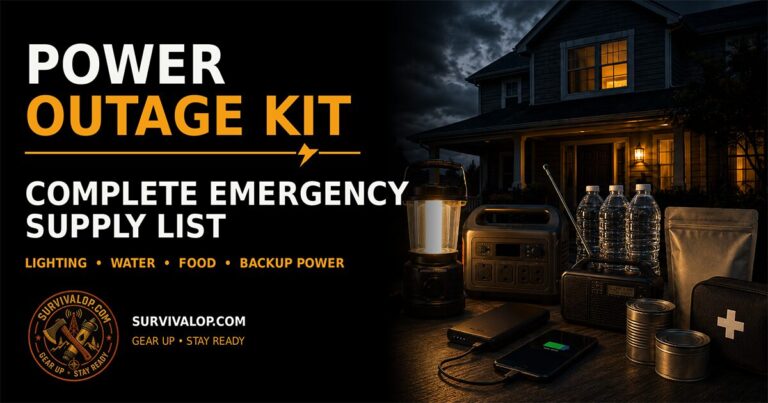
When assembling your Best 72-hour survival kit, be sure to include the following items:
- A three-day supply of nonperishable food
- A three-day supply of water
- A first-aid kit
- Medications and medical supplies
- A flashlight and batteries
- A radio and batteries
- Cash and credit cards
- Copies of essential documents (e.g. insurance cards, medical records)
- Family photos and important documents (e.g. birth certificates)
- Other items help you cope with an emergency, such as a battery- or solar-powered radio.
What is A 72-hour kit list IDS?
A 72-hour kit is a must-have for any survival situation. It should include essential items like food, water, and clothing, as well as other necessary supplies like cash and first-aid items.
But what should you pack in your 72-hour kit IDS?
Here is a list of some essential items to consider:
- Food: Include items like canned goods, energy bars, and bottled water in your kit.
- Clothing: Make sure to pack extra clothes, including a coat and sturdy shoes.
- Cash: In an emergency, you’ll need money to buy supplies or help.
- First-Aid Supplies: Pack items like bandages, disinfectant wipes, and pain medication in your kit.
- Hygiene Items: Include toiletry items like shampoo and toothpaste in your kit.
What to consider when assembling your kit: Climate, terrain, and activity level.
When assembling your kit, there are a few things you need to take into account: climate, terrain, and activity level.
If you’re camping in a cold environment, pack extra layers of clothing and a warm sleeping bag.
If you’re hiking in the mountains, bring sturdy shoes and a map of the area.
And if you’re planning biking for hours, including sunscreen, water, and snacks in your pack.
Special considerations for different types of emergencies: Natural disasters, unnatural disasters, and personal crises.
Putting your kit together: What to include and how to pack it.
When assembling your go-bag, you must consider what you might need in an emergency. The essential items are food, water, and clothing. You should also include a first-aid kit, flashlight, batteries and a whistle.
If you have to evacuate, you’ll want to take your important documents, such as your driver’s license, passport and insurance cards. You may also want to take a phone charger and some cash. If you’re going to be staying in a shelter, make sure to pack a sleeping bag and some extra clothes. It’s also a good idea to pack some games or books to keep yourself occupied.
Essentials for a 72-hour kit: Food, water, shelter, clothing, fire, first aid.
Creating a 72-hour emergency kit is essential for any family. The kit should include food, water, shelter, clothing, fire, and first aid supplies. Each family member should have their emergency kit packed and ready to go in an emergency.
Food and water are the essential items to have in an emergency kit. The food and water should be non-perishable and easy to store. Packing enough food and water for each person in the family is necessary.
The shelter is another essential item to have in an emergency kit. Families should pack a tent or other type of protection for each person. The top should be easy to set up and waterproof.
Clothing is also essential in an emergency. Families should pack clothes for all types of weather conditions. The clothes should be lightweight and easy to pack away.
72-Hour kit Checklist PDF (For Offline Reads).
Conclusion
In conclusion, having a 72-hour survival kit is essential in an emergency. The items in the kit can help you get through the first 72 hours until help arrives. Pack your kit’s essentials, such as water, food, and first-aid supplies. You should also include a flashlight, radio, and extra batteries. If you have pets, pack food and water for them.

3 comments