How to Cook Without Electricity During a Power Outage
Learn the safest ways to feed your household when the stove, microwave and refrigerator stop working—without bringing grills, camp stoves, charcoal or dangerous fumes indoors.
Blackout Cooking Priorities
In This Guide
What to Do When the Power Goes Out at Mealtime
The safest first step is usually not finding a flame. It is protecting cold food, confirming the outage and choosing a meal that requires little or no cooking.
- Keep the refrigerator and freezer closed. Every unnecessary opening releases cold air and shortens the safe holding time.
- Check whether the outage is local or widespread. Use a battery radio, utility alert or charged phone when available.
- Serve no-cook food first. A shelf-stable meal conserves fuel and avoids fire and carbon-monoxide risks.
- Move outdoor cooking equipment only when conditions are safe. Do not cook outside during lightning, dangerous winds, wildfire conditions or other active hazards.
- Use cold perishables strategically. Do not repeatedly open the refrigerator to browse. Plan what will be removed before opening it.
Ways to Cook Without Grid Electricity
The correct method depends on whether it creates combustion fumes, where it is used, the weather and whether the appliance is designed for indoor use.
Generally Suitable Indoors
- No-cook meals
- Battery power station with an indoor-rated electric appliance
- Electric kettle, rice cooker or slow cooker within the power station’s rated output
- Properly installed and vented appliance used according to its instructions
Outdoor Use Only
- Propane camp stove
- Gas or charcoal grill
- Portable butane camp stove — outdoors only
- Wood fire or fire pit where legal and conditions allow
- Solar oven in suitable weather
Never Improvise Indoors
- Charcoal grill in a home, garage, carport, tent or camper
- Camp stove in an enclosed or partly enclosed space
- Generator indoors or near doors, windows and vents
- Gas oven or range used to heat the home
- Unvented fire or homemade burner
Battery Power Station and Electric Appliances
A charged portable power station does not burn fuel while operating, so it can power selected indoor electric appliances when used within its rated limits. The challenge is energy demand. Heating appliances can drain a battery much faster than phones, lights and radios.
Check the appliance wattage, starting surge and expected run time before connecting it. Do not use damaged cords, overloaded adapters or appliances that exceed the power station’s continuous output.
Outdoor Propane Stove
A portable propane camp stove can heat water and cook simple one-pot meals, but it must stay outdoors in a stable, open location away from doors, windows, vents, combustible materials and children. Follow the manufacturer’s required clearances and fuel instructions.
Outdoor Grill
A gas or charcoal grill can cook larger meals and use food from a thawing freezer, but a grill is not an indoor appliance. Never move it into a garage, porch enclosure, basement, tent or home because the space appears ventilated.
Solar Oven
A solar oven uses sunlight rather than stored fuel. It can be useful in clear weather but is slower, weather-dependent and unsuitable as the household’s only emergency cooking method.
Installed Wood Stove or Fireplace
Only cook on a wood stove or fireplace when the installed system and manufacturer permit it, the chimney is maintained, ventilation is working and safe cookware is used. Do not convert an unapproved heat source into an improvised cooking appliance.
Carbon Monoxide and Fire Safety
Carbon monoxide is colorless and odorless. Open windows, cracked garage doors and household fans do not make outdoor cooking equipment safe indoors.
| Method | Status | Safe Use |
|---|---|---|
| No-cook shelf-stable meal | Preferred | Indoors with normal food-hygiene practices. |
| Battery power station plus indoor electric appliance | Indoor option | Stay within wattage, surge and battery limits; follow appliance instructions. |
| Propane camp stove | Outdoor only | Use in open air, on a stable surface, away from openings and combustibles. |
| Gas or charcoal grill | Outdoor only | Never use in a home, garage, carport, tent, camper or enclosed porch. |
| Generator powering an appliance | Generator outdoors | CDC guidance says generators should be outdoors more than 20 feet from windows, doors and vents, with working carbon-monoxide alarms inside. |
| Gas oven or stovetop for space heating | Never | Do not use a gas range or oven to heat the home. |
Install working battery-powered or battery-backup CO alarms near every sleeping area. Follow manufacturer instructions and local requirements for placement, testing and replacement.
Official safety resources: CDC power-outage safety and Ready.gov power-outage guidance.
CDC carbon-monoxide and generator guidance: fuel-powered generators belong outdoors more than 20 feet from windows, doors and vents.
Best Foods for No-Electricity Meals
Choose foods labeled ready to eat and shelf-stable before opening. Dry beans, uncooked rice and dehydrated meals usually need safe water and cooking; do not count them as no-cook food.
Protein
Canned chicken, tuna, salmon, beans, lentils, nut butter, shelf-stable meat and ready-to-eat protein packs.
Carbohydrates
Crackers, tortillas, bread, granola, cereal, energy bars, rice cakes and ready-to-eat grain pouches.
Fruit & Vegetables
Canned fruit, applesauce, dried fruit, canned vegetables, vegetable juice and durable fresh produce.
Dairy Alternatives
Single-serve shelf-stable milk or non-dairy drinks; powdered milk requires safe water. Follow package directions and finish opened containers promptly if refrigeration is unavailable.
Flavor & Morale
Salt, pepper, seasoning packets, condiments, instant drink mix, coffee alternatives and familiar comfort foods.
Special Needs
Infant food, medically appropriate foods, allergy-safe products, pet food and easy-to-chew options.
Choose Small Containers
Once a container is opened, leftovers may need refrigeration. Single-meal cans, pouches and shelf-stable cartons reduce waste when cold storage is unavailable.
Keep a Manual Can Opener
Electric can openers are useless during a blackout unless backup power is available. Store at least one reliable manual opener with the food rather than in a distant kitchen drawer.
Do Not Depend on Foods That Consume Large Amounts of Water
Dry beans, large pots of pasta and some dehydrated foods can use considerable water and fuel. Balance them with ready-to-eat options, especially when the water supply depends on an electric well pump.
No-Power Meal Calculator
Count planned meal servings, backup no-cook servings and a water starting target for your household.
Build a Blackout Meal Target
One meal means one serving for one person, not a calorie target. This plan includes a no-cook replacement for every planned hot meal in case weather, fuel or equipment stops cooking.
Your Blackout Meal Plan
Food safety: keep cold food at 40°F or below; consult the official discard chart. Never use outdoor cooking equipment indoors. Fuel-powered generators stay outdoors more than 20 feet from openings.
Your choices and checklist marks save in this browser when storage is available.
Ready.gov uses one gallon per person per day for drinking and sanitation as a starting point. Additional cooking water depends on your food labels. This tool does not calculate calories, fuel, appliance runtime or food safety.
Food Safety During a Power Outage
Cooking plans must work together with refrigerator, freezer and cooler safety.
Refrigerator: About 4 Hours
A closed refrigerator generally keeps food cold for about four hours. Minimize door openings.
Full Freezer: About 48 Hours
A full, unopened freezer can hold temperature for about 48 hours.
Half-Full Freezer: About 24 Hours
A half-full unopened freezer generally holds temperature for about 24 hours.
Use 40°F as the Safety Line
Discard perishables after four hours without power unless verified at 40°F or below. Also discard perishables held above 40°F for more than two hours. Never taste food to test safety.
Use Thermometers, Not Guesswork
Keep appliance thermometers in the refrigerator and freezer and a food thermometer in the emergency kit. Smell and appearance cannot reliably identify harmful bacteria.
Dry Ice and Coolers
Coolers and dry ice can extend cold storage, but dry ice requires gloves, ventilation and careful handling. Never place dry ice in an airtight container or enclosed occupied space.
Review the full guide: How Long Will Food Last Without Power?
Official reference: FoodSafety.gov Power Outage Food Safety Chart.
Cooking Water and Sanitation
A no-power cooking plan can fail when it assumes unlimited tap water, dishwashing and waste disposal.
Reserve Safe Water
Store water for drinking first, then food preparation and basic hygiene. Homes using electric well pumps may lose tap water immediately when the power fails.
Reduce Dishwashing
Use one-pot meals, disposable plates when appropriate, parchment or foil liners and individual food containers to limit cleanup. Do not allow sanitation shortcuts to contaminate food.
Separate Raw and Ready-to-Eat Food
Keep raw meat and its utensils away from foods that will not be cooked. Wash hands with safe water and soap or use an appropriate hand-cleaning method before food preparation.
Manage Waste Quickly
Seal cans, pouches and food waste in bags and move them to a protected waste area to reduce pests, odors and contamination.
Power Outage Cooking Checklist
Mark each item you have covered; progress saves in this browser. Marks record your own review and are not a safety certification. Skip equipment you do not use.
Strengthen Your Emergency Food Plan
Build the no-cook basics first, then add longer-term meals, safe equipment and a reliable printed preparedness reference.

SurvivalOP™ Survival Guide
Keep a compact reference covering emergency food, water, outages, kits and household safety.
View the Survival Guide
EMBER Outdoor Biomass Oven
Use this biomass oven outdoors in this plan, with compatible cookware. Check fuel instructions, fire restrictions, weather and required clearances. Keep ready-to-eat backup meals.
View Outdoor Oven
Long-Term Emergency Food
These meals require water and preparation. Read each label, budget cooking water and fuel, and pair them with a separate ready-to-eat reserve.
View Emergency FoodAlso explore our emergency food guide and more survival books.
Affiliate disclosure: SurvivalOP may earn a commission from qualifying purchases at no additional cost to you.
Cooking Without Electricity FAQ
Answers to common blackout cooking and food-safety questions.
What is the safest way to eat during a power outage?
Start with complete no-cook meals made from shelf-stable food. This avoids combustion, conserves fuel and reduces the need to open the refrigerator or freezer.
Can I use a propane camp stove inside the house?
No. Portable camp stoves and other fuel-burning cooking devices can produce carbon monoxide and should not be used inside a home, garage, basement, tent, camper or other enclosed or partly enclosed space.
Can I use a charcoal grill in an open garage?
No. A garage remains an unsafe location for charcoal or gas grilling, even with the door open. Use grills outdoors, away from doors, windows, vents and combustible materials.
Can a power station run an electric hot plate?
Possibly, but heating appliances draw substantial power. The hot plate’s continuous wattage and any starting surge must remain within the power station’s output rating, and the battery must have enough capacity for the intended cooking time.
How long is refrigerator food safe without power?
Keep the door closed: a refrigerator generally stays cold for about four hours. After four hours without power, discard perishables unless verified at 40°F or below; discard perishables held above 40°F for more than two hours. Check the FoodSafety.gov discard chart for specific foods.
How long will a freezer stay cold?
An unopened full freezer generally holds temperature for about 48 hours, while a half-full freezer generally holds temperature for about 24 hours.
What foods should I store for cooking without electricity?
Store ready-to-eat proteins, crackers or tortillas, canned fruit and vegetables, nut butter, shelf-stable milk, bars, dried fruit, familiar comfort foods and products appropriate for every household member’s dietary needs.
Is it safe to taste food to see whether it spoiled?
No. Harmful bacteria may not change the food’s smell, taste or appearance. Use time and temperature guidance and discard questionable perishable food.
The Best Blackout Meal Is the One Planned in Advance
Store enough no-cook food to cover the first phase of an outage. Add a safe outdoor cooking method only after everyone understands carbon-monoxide, fuel, fire and weather hazards. Keep cold food closed, use thermometers instead of guesswork and never bring outdoor cooking equipment inside.
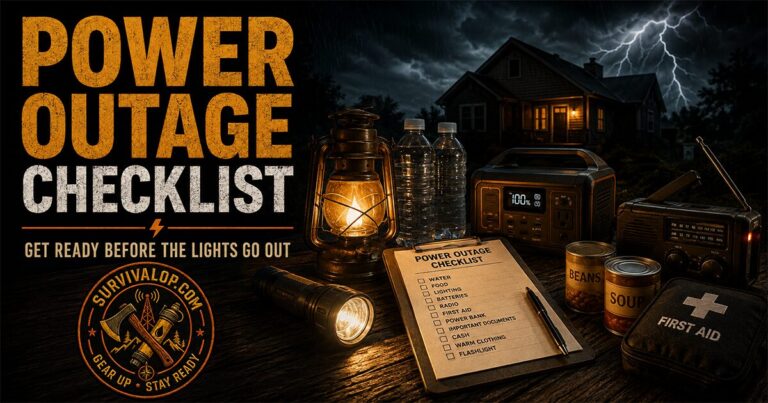
Link this meal plan to your power outage kit and blackout checklist so food, water, lighting and backup power work as one system.
Share This Guide
Help another household avoid dangerous indoor cooking mistakes during a blackout.
As an Amazon Associate, I earn from qualifying purchases. I may also earn commissions from other affiliate programs, at no extra cost to you.
This guide provides general preparedness information and does not replace official emergency instructions, product directions, medical advice, fire codes or local laws.